Robinson R66 Initial Training
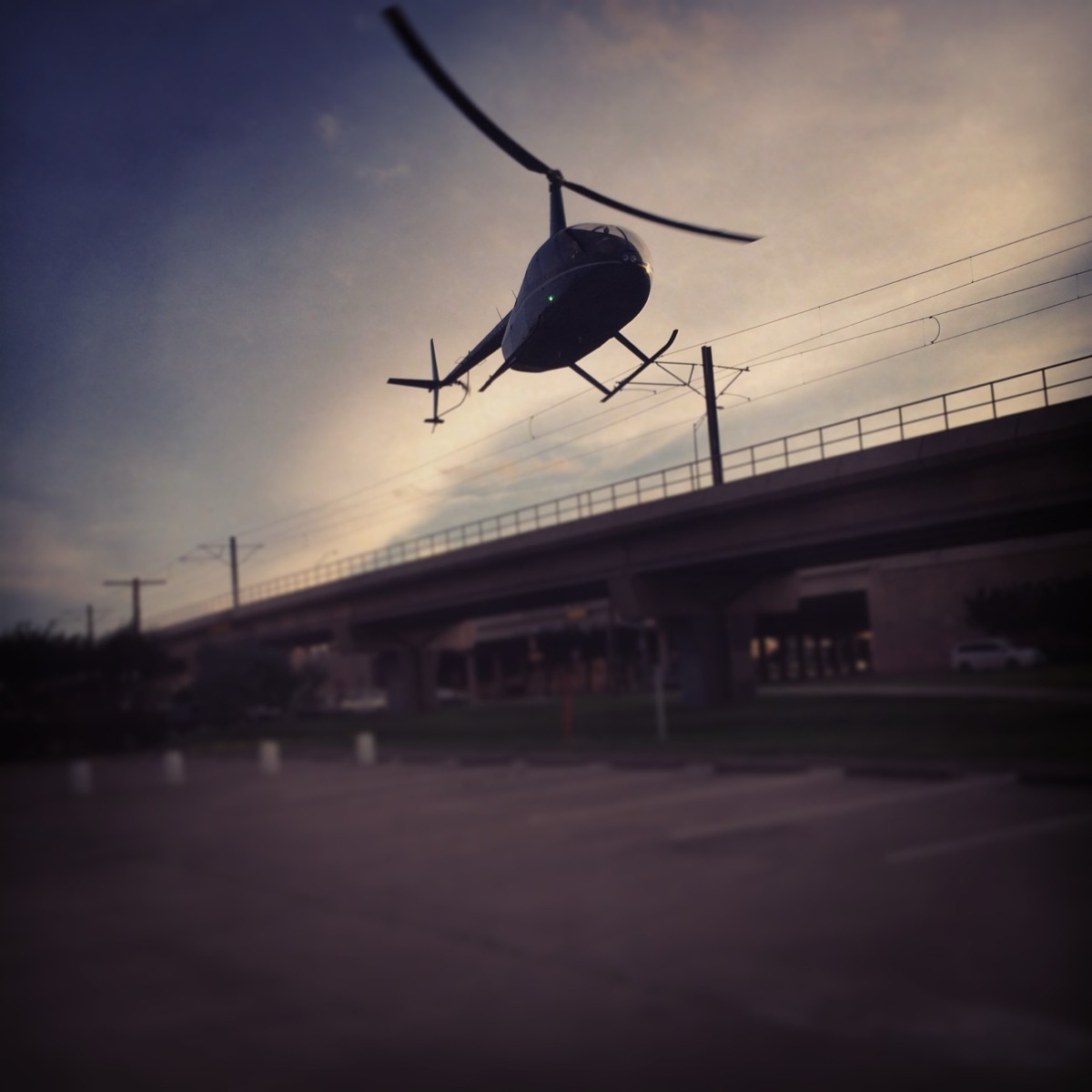
Covers the Robinson R66, with or without the optional HeliSAS.
Training delivered in your aircraft, at your location.
Course overview
The Robinson R66 Initial course gives pilots new to the aircraft the systems knowledge, normal procedures and emergency procedures to fly it safely and proficiently. It covers the Robinson R66, with or without the optional HeliSAS. Ground school covers the aircraft’s systems, performance and limitations, and flight training covers the maneuvers and emergency procedures listed below.
Who it’s for: helicopter pilots transitioning into the Robinson R66, including owners taking delivery of an aircraft and pilots adding the type for a new job or an insurance requirement.
Prerequisites
- A current helicopter pilot certificate and medical certificate
At a glance
Ground school topics
- Aircraft General
- Crew Compartment
- Airframe
- Fuel System
- Electrical System
- Powerplant: RR300
- Drivetrain and Rotor System
- Flight Controls
- Performance
- Weight and Balance
- Aircraft Limitations
- Emergency Procedures
- Aircraft Preflight
Flight training
Normal maneuvers
- Engine Starting and Rotor Engagement
- Vertical Takeoff and Landing
- Hover Taxi
- Air Taxi
- Rapid Deceleration / Quick Stop
- Slope Operations
- Normal Takeoff and Climb
- Normal and Crosswind Approach
- Maximum Performance Takeoff and Climb
- Shallow Approach
- Steep Approach
- Confined / Pinnacle Operations
- Engine Shutdown and Rotor Stopping
Emergency procedures
- Straight-in Autorotation / Powerplant Failure
- Autorotation with Turns / Powerplant Failure
- Hydraulics System Malfunction
- Vortex Ring State Recovery
Optional training
Optional items add time to the course.
- Inadvertent IIMC Recovery
- Complex Airspace Navigation
- HeliSAS Autopilot Familiarity
- Avionics / GPS Familiarity
- Touchdown Autorotations (available on request)
- Tail Rotor Malfunctions (Stuck Pedal)
Completion standards
Each maneuver must be performed at or above the FAA Airman Certification Standards (ACS) for the certificate held. Training hours may be reduced when every required element is completed to that standard. Optional items add time.
What you receive
- ATACS certificate of completion.
- Training progress record. The ground and flight training you completed, documented as you go.
- Flight review, on request. The course can also serve as a flight review under 14 CFR 61.56, including a review of the current general operating and flight rules of 14 CFR part 91, with the logbook endorsement.
Any ATACS certificate can be verified by its certificate number.
Training in your aircraft, at your location.
Every ATACS course is flown in your helicopter, where you operate it. Each hour of instruction builds proficiency in the exact aircraft, avionics, and configuration you fly.
- No transfer gap. Train in your own cockpit, not a generic fleet aircraft or simulator.
- No travel or ferry time. Instruction comes to your base, on your schedule.
- Built around your operation. One-on-one training shaped around your mission, your terrain, and how you actually use the aircraft.
- Insurance-aligned. Training completed in the make, model, and tail number your policy covers.
Working with your insurance.
ATACS courses are built to OEM-equivalent standards and are accepted by major aviation underwriters. Before training, we’ll send our syllabus and instructor qualifications directly to your broker for review, so your approval is confirmed before we fly.
Related courses
Ready to schedule?
Send a request with your aircraft, its location and your preferred dates. Pricing is on the pricing page.